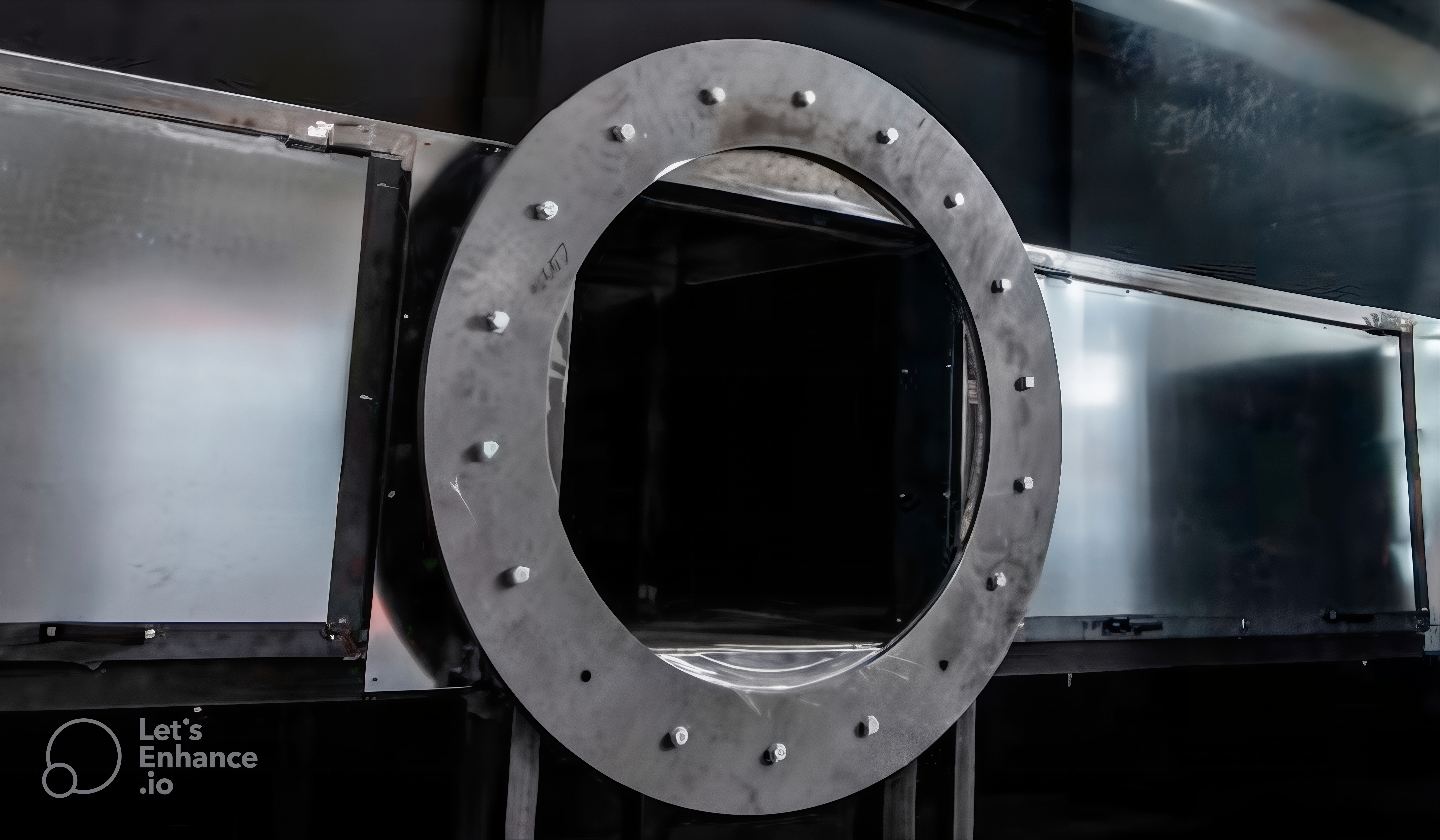
Ambienti Confinati - Guida
Introduzione
Non esiste una definizione univoca di spazio/ambiente o luogo confinato ma è comunque uno spazio abbastanza grande da consentire l'ingresso di una persona.
In via generale per luogo confinato si intende un ambiente che possegga almeno le seguenti caratteristiche:
Caratteristiche
• difficoltà di accesso/uscita (anche in relazione all'utilizzo di autoprotettori o altri dispositivi di salvataggio)
• non progettato/idoneo per la continua presenza di persone e lavoratori
• si riscontrano al suo interno fattori di possibile accrescimento rapido dei rischi
• insufficiente o difficoltà di aerazione/ventilazione naturale
• presenza di agenti chimici pericolosi
Ambienti confinati facilmente identificabili
• cisterne interrate, seminterrate o fuori terra contenenti prodotti o sottoprodotti di tipo organico, alimentare, zootecnico che possono dare luogo a fermentazioni derivanti sia dal ciclo produttivo (ad es. silos per foraggi, vini) che di origine accidentale o comunque indesiderata (ad es. infiltrazioni d'acqua in silos per sfarinati)
• cunicoli di fogne e di impianti di smaltimento di liquami sia di origine civile che zootecnica (fosse settiche, biologiche ed altro)
• silos, cisterne o altri contenitori per sostanze o prodotti chimici organici ed inorganici
• recipienti di reazione e serbatoi di stoccaggio
• pozzi e tubazioni
• cisterne su autocarri
Altri ambienti potenzialmente confinati
Altri ambienti, ad un primo esame superficiale, potrebbero non apparire come confinati. In particolari circostanze, legate alle modalità di svolgimento dell'attività lavorativa o ad influenze provenienti dall'ambiente circostante, essi possono invece configurarsi come tali e rivelarsi altrettanto insidiosi. È il caso, ad esempio, di:
• vasche, interrate e fuori terra, per il contenimento di barbottine (argille sciolte in acqua) o di impianti di depurazione
• cavità, fosse, trincee, camere con l'apertura dall'alto, scavi profondi con ristagno di liquidi (e/o vapori) di varia natura, compresa acqua piovana
• camere di combustione nelle fornaci e simili
• camere non ventilate o scarsamente ventilate
• stive di imbarcazioni
• gallerie
• serbatoi pensili
Normativa: D.Lgs. 81/2008 e DPR 177/2011
Il quadro normativo per i lavori in spazi confinati si basa su due riferimenti principali: il D.Lgs. 81/2008 (Testo Unico sulla Sicurezza) e il DPR 14 settembre 2011, n. 177, specifico per gli ambienti sospetti di inquinamento o confinati.
Il DPR 177/2011 impone requisiti stringenti per le imprese che operano in spazi confinati: formazione e addestramento certificato del personale, esperienza almeno triennale nel settore, presenza di personale addestrato al soccorso e all'emergenza, e il divieto di subappalto se non espressamente autorizzato dal committente.
Le sanzioni per violazione delle norme sulla sicurezza in ambienti confinati sono tra le più severe del Testo Unico, data l'elevata pericolosità di questi lavori e la frequenza di infortuni mortali che li caratterizza.
DPI per spazi confinati
I dispositivi di protezione individuale per ambienti confinati devono essere selezionati in base alla valutazione dei rischi specifici dell'ambiente. I principali dispositivi includono:
- Autorespiratori o maschere con filtro specifico per il rischio atmosferico identificato
- Rilevatore multigas portatile per il monitoraggio continuo dell'atmosfera (O₂, CO, H₂S, LEL)
- Imbracatura anticaduta con dispositivo di recupero per l'estrazione d'emergenza
- Casco con lampada per la protezione del capo e la visibilità in ambienti bui
- Tuta protettiva adeguata al rischio chimico o biologico
- Sistema di comunicazione tra operatori interni e presidio esterno
Domande frequenti
Uno spazio confinato è un ambiente abbastanza grande da consentire l'ingresso di una persona, con accesso/uscita difficoltoso, non progettato per la presenza continua di lavoratori e con rischi di accrescimento rapido (carenza di ossigeno, gas tossici, esplosione). Esempi: cisterne, silos, pozzi, serbatoi, cunicoli fognari.
Il D.Lgs. 81/2008 (Titolo II e Allegato IV) e il DPR 177/2011 disciplinano i lavori in ambienti confinati. Il DPR 177 impone requisiti specifici: formazione e addestramento del personale, procedura di lavoro sicuro, presenza di personale di sorveglianza e soccorso, e il divieto di affidare i lavori a imprese non qualificate.
I DPI necessari dipendono dai rischi specifici dell'ambiente: autorespiratore o maschera con filtro (rischio atmosferico), imbracatura anticaduta con dispositivo di recupero (rischio caduta), rilevatore multigas portatile, casco con lampada, tuta protettiva. Tutto il personale deve essere formato sull'uso dei dispositivi.
Solo personale con formazione e addestramento specifici ai sensi del DPR 177/2011. L'impresa esecutrice deve dimostrare esperienza almeno triennale nel settore, fornire DPI adeguati e garantire la presenza di personale addestrato al soccorso. I lavori non possono essere affidati a lavoratori autonomi non qualificati.
La procedura deve includere: valutazione dei rischi specifica, permesso di lavoro firmato dal responsabile, verifica dell'atmosfera con rilevatore multigas, ventilazione forzata se necessaria, predisposizione del sistema di recupero d'emergenza, presidio esterno continuo e comunicazione costante con gli operatori all'interno.